Permaculture Is…?
Natural Lifestyle Make-Over

Permaculture is a design method.
It uses natural energies to meet the needs and process the waste of our lifestyles. Essentially, we can apply permaculture design thinking to the design of a single tool as easily to the re-design of a farm or a huge corporation.
The designs we create are not static, they move with time but working structure, goals and principles stay intact. Using a
 Permaculture
system is like riding a bike, we can maneuver around and over obstacles
because we understand how it works, we can ‘ride the system’.
Permaculture Designs are flexible and allow for evolution of ideas and
adapt to the likely changes such as ageing. The system ages but it
renews itself because it is modelled on natural systems such as forests.
Permaculture
system is like riding a bike, we can maneuver around and over obstacles
because we understand how it works, we can ‘ride the system’.
Permaculture Designs are flexible and allow for evolution of ideas and
adapt to the likely changes such as ageing. The system ages but it
renews itself because it is modelled on natural systems such as forests.“Initiatives that are taken tend to evolve from strategies that focus on efficiency (for example, more accurate and controlled uses of inputs and minimisation of waste) to substitution (for example, from more to less disruptive interventions, such as from biocides to more specific biological controls and other more benign alternatives) to redesign — fundamental changes in the design and management”. (Hill & MacRae 1995, Hill et al 1999)
Global search for sustainable solutions
Today a lot of people are searching for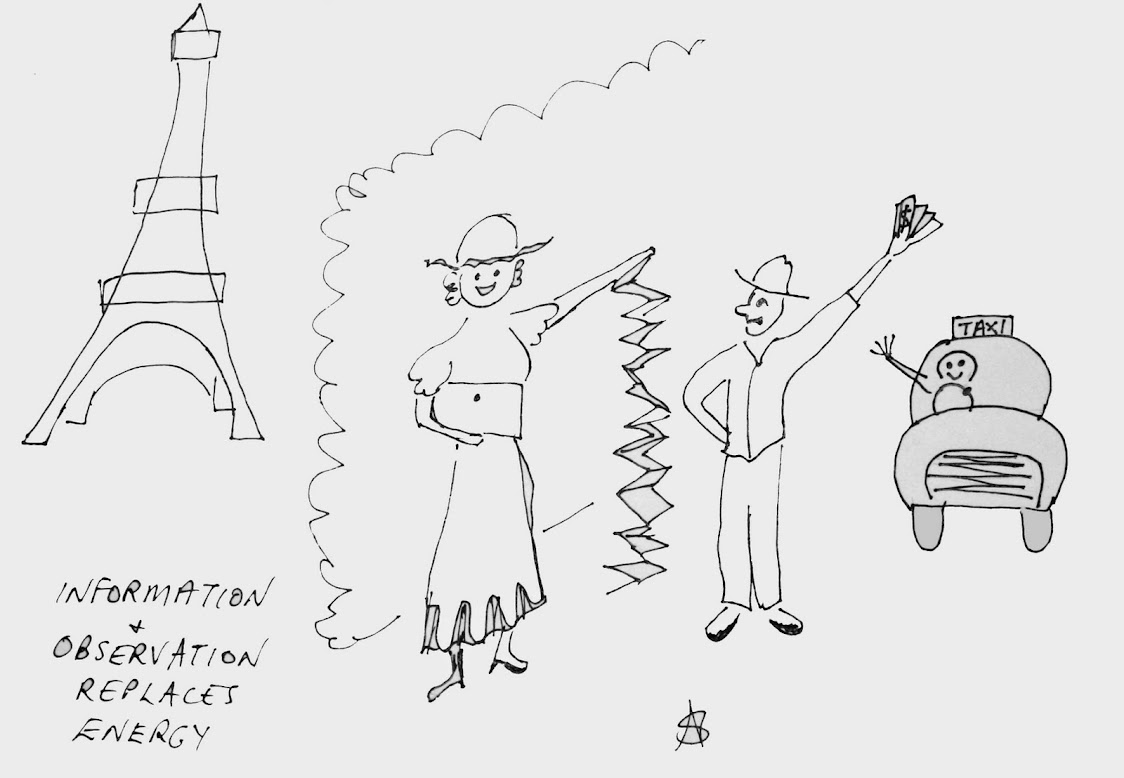 sustainable solutions. They realise that climate change will not have a
gradual impact on some distant land, it will have some dramatic storms,
serious losses and the effect will ripple around the globe. For some
people it may only mean at first that bananas become very expensive,
over time they will wonder why. Most people are aware of their impact
and want to do something positive. Substituting a harmful product for a
less harmful one is their first step. Another step is to focus on
efficiency (value for their effort) their actions include choices to
support public transport and libraries, hired equipment, and green
government initiatives.
sustainable solutions. They realise that climate change will not have a
gradual impact on some distant land, it will have some dramatic storms,
serious losses and the effect will ripple around the globe. For some
people it may only mean at first that bananas become very expensive,
over time they will wonder why. Most people are aware of their impact
and want to do something positive. Substituting a harmful product for a
less harmful one is their first step. Another step is to focus on
efficiency (value for their effort) their actions include choices to
support public transport and libraries, hired equipment, and green
government initiatives.The most sustainable choice is for people to consider their ‘whole-of-life’ and see the value in redesign for their lifestyle.
Work Local Think Global
 Permaculture
is about helping people make redesign choices: set new goals and a
shift in thinking that effects not only their home but their actions in
the workplace, borrowings and investments.
Permaculture
is about helping people make redesign choices: set new goals and a
shift in thinking that effects not only their home but their actions in
the workplace, borrowings and investments.“Examples include the design and employment of complex transport solutions, optimum use of natural resources such as sun light, radical design of information-rich, multi-storey polyculture systems.” (Mollison & Slay 1991)
Shift in the nature of one’s dependence
“This progression generally involves a shift in the nature of
one’s dependence — from relying primarily on universal, purchased,
imported, technology-based interventions to more specific locally
available knowledge and skill-based ones. This usually eventually also
involves fundamental shifts in world-views, senses of meaning, and
associated lifestyles“.. “My experience is that although efficiency and substitution initiatives can make significant
contributions to sustainability over the short term, much greater
longer-term improvements can only be achieved by redesign strategies;
and, furthermore, that Steps need to be taken at the outset to
ensure that efficiency and substitution strategies can serve as stepping
stones and not barriers to redesign.””Professor Stuart B. Hill ([991].
Permaculture teaches some basic Principles based on nature.
We aim to observe nature and design human systems that utilise natural energies. The Bear hibernates in a naturally stable environment, a cave underground. We too can use a cave for food preservation. The termite creates a stable environment above ground by building insulated walls, we can too. The Sunflower’s head turns with the sun and bends in the wind. So does the simple but effective clothes hoist: wind and sun, spin. It is the ultimate model for efficient clothes drying equipment.
Learn more about Permaculture in a Permaculture Course

No comments:
Post a Comment
All comments are moderated.Please be patient. You will receive a reply shortly. Thanks